
Manual Therapy: Hands-On Care That Goes Beyond the Surface.
Skilled, hands-on treatment that works directly with your body's tissues — reducing pain, restoring movement, and laying the groundwork for lasting recovery.

Manual therapy is one of the most powerful tools in physical therapy — and one of the most misunderstood. It is not massage. It is not a generic rubdown. It is a highly skilled, evidence-based set of techniques applied with precision to joints, muscles, nerves, and connective tissue to produce specific therapeutic effects.
At Hampton Physiotherapy, manual therapy is never used in isolation. It is always integrated with therapeutic exercise and patient education to address the root cause of your symptoms — not just provide temporary relief. Hands-on treatment opens a window of opportunity; what you do in that window determines how lasting the results are.
My Credentials in Manual Therapy
Manual therapy is a specialty within physical therapy that requires advanced training beyond a standard DPT degree. I hold a certification from the North American Institute of Orthopedic Manual Therapy — one of the most rigorous manual therapy programs available to physical therapists in North America.
CMPT — Certified Manual Physical Therapist by NAIOMT — North American Institute of Orthopedic Manual Therapy
OCS — ABPTS Board-Certified Orthopedic Clinical Specialist
CLT — Certified Lymphedema Therapist by Norton School of Lymphatic Therapy
This level of training means I have a deep, nuanced understanding of how joints, nerves, lymphatics, and soft tissues interact — and how skilled manual techniques can influence each of them to reduce pain and restore function.
Manual Therapy Techniques I Use
Joint Mobilization
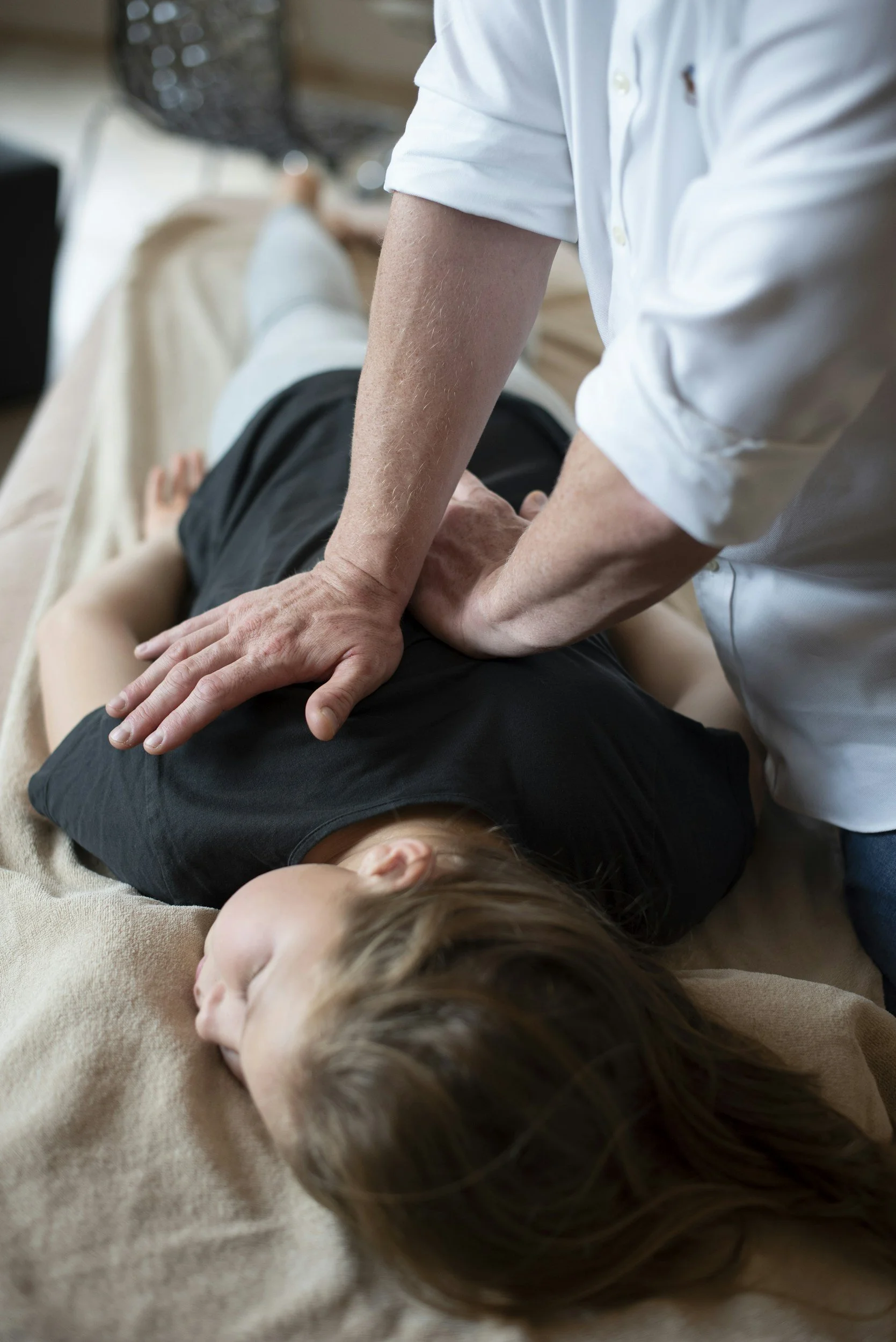
Gentle, graded movements applied to a joint to restore its normal range of motion, reduce pain, and improve mobility. Particularly effective for stiff joints in the spine, shoulder, hip, and extremities.
Joint Manipulation
A high-velocity, low-amplitude thrust technique applied to a joint — the technique sometimes associated with a "pop" or "crack." Used selectively when appropriate, it can produce rapid improvements in pain and range of motion.
Soft Tissue Mobilization
Hands-on techniques applied to muscles, fascia, and other soft tissues to reduce tension, improve circulation, and restore normal tissue mobility. Different from massage in its specificity and therapeutic intent.
A high-velocity, low-amplitude thrust technique applied to a joint — the technique sometimes associated with a "pop" or "crack." Used selectively when appropriate, it can produce rapid improvements in pain and range of motion.
Myofascial Release
Sustained pressure applied to areas of restriction in the fascial system — the connective tissue that surrounds and connects muscles, organs, and other structures throughout the body.
Neural Mobilization
Techniques designed to restore normal movement and tension in the nervous system — particularly useful for nerve-related pain, numbness, tingling, and conditions like sciatica or thoracic outlet syndrome.
Muscle Energy Techniques
Active techniques in which you use your own muscle contractions — against gentle resistance from me — to improve joint mobility, reduce muscle tension, and correct postural imbalances.
Manual Lymphatic Drainage
A gentle, rhythmic hands-on technique that stimulates the lymphatic system to reduce swelling, support immune function, and promote healing. I use manual lymphatic drainage as part of a comprehensive approach to lymphedema management — particularly for patients with cancer-related lymphedema or post-surgical swelling.
Manual therapy is most effective when the body is ready to respond to it — and when it's followed immediately by targeted exercise that reinforces what the hands-on work accomplished. That sequencing is something I'm deliberate about in every session.
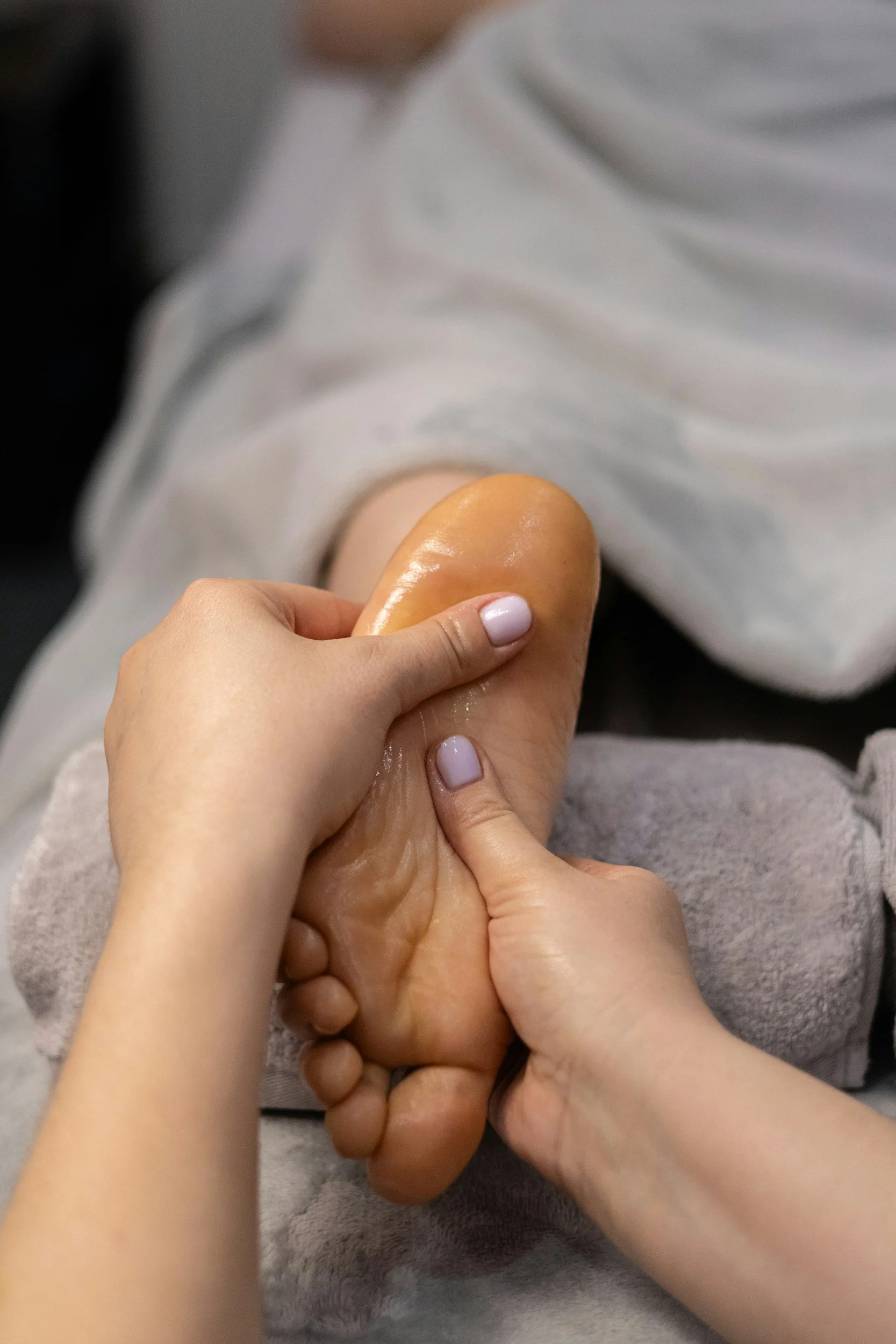
Astym Therapy — Stimulating the Body's Own Healing Response
Astym is a specialized form of manual therapy that uses smooth, instrument-assisted tools applied along the skin's surface to interact with the underlying soft tissue. It is one of the most evidence-supported instrument-assisted soft tissue mobilization (IASTM) techniques available, and I am a certified Astym provider.
How I think about Astym
The way I explain Astym to patients is this: certain injuries — particularly chronic tendon problems, scar tissue, and nerve entrapments — involve tissue that has either failed to heal properly or has healed in a disorganized way. The body's normal inflammatory healing response, which is designed to repair tissue, has essentially stalled or gone off course.
Astym creates a controlled stimulatory effect on the tissue — essentially signaling the body to restart a targeted, organized inflammatory response in the affected area. When followed immediately by specific therapeutic exercise, this restimulated healing process is guided toward producing stronger, better-organized tissue rather than more scar tissue or continued dysfunction.
It is not painful in the way people sometimes fear. Most patients describe the sensation as a firm pressure — and the results, particularly for chronic conditions, can be significant.
When I use Astym
Astym is particularly well-suited for conditions involving:
Tendinopathies — chronic or subacute tendon injuries that haven't responded well to standard treatment, including Achilles tendinopathy, patellar tendinopathy, rotator cuff tendinopathy, and lateral epicondylalgia
Scar tissue — post-surgical scarring, adhesions, or fibrotic tissue that is limiting movement or causing pain
Muscle injuries — strains and chronic muscle dysfunction where tissue quality has been compromised
Neural entrapment syndromes — conditions where nerves are restricted by surrounding tissue, contributing to pain, numbness, or tingling
Plantar fasciitis — one of the most well-researched applications of Astym with strong evidence for effectiveness
Musicians' overuse injuries — particularly forearm, wrist, and hand tendinopathies common in string players, guitarists, and pianists
An important note about Astym and exercise
Astym is always paired with specific therapeutic exercise at Hampton Physiotherapy — this is not optional. The exercise component is what directs the healing response Astym stimulates. Without it, the treatment is significantly less effective. This is consistent with how Astym is designed to be used and reflects the evidence for its effectiveness.
What to Expect From Manual Therapy at Hampton Physiotherapy
Every session at Hampton Physiotherapy is one full hour with me — no aides, no techs, no handoffs. That means the time we spend on manual therapy is genuinely skilled, attentive, and adapted in real time to how your body is responding.
Manual therapy is one part of a broader treatment picture. Depending on your condition and how you're progressing, it may play a larger or smaller role in your care over time. Some patients need significant hands-on work early in treatment and transition to primarily exercise-based care as they progress. Others benefit from ongoing manual therapy throughout. I'll be transparent with you about what we're doing and why at every stage.
Interested in manual therapy or Astym?
If you've been dealing with a stubborn injury, chronic pain, or scar tissue that hasn't responded to other treatments, manual therapy may be exactly what your recovery has been missing. I'd love to assess your situation and talk through whether these approaches are right for you.