
How I Help Musicians
How Treatment Works
The short version: I watch you play, figure out what's actually going on, and build a plan that keeps you on your instrument while you heal.
The longer version is below — but the through-line is always the same. Every tool I use, every exercise I prescribe, every conversation we have in the clinic is oriented toward one goal: getting you back to full playing capacity, as efficiently and sustainably as possible
It Starts With Understanding How You Play
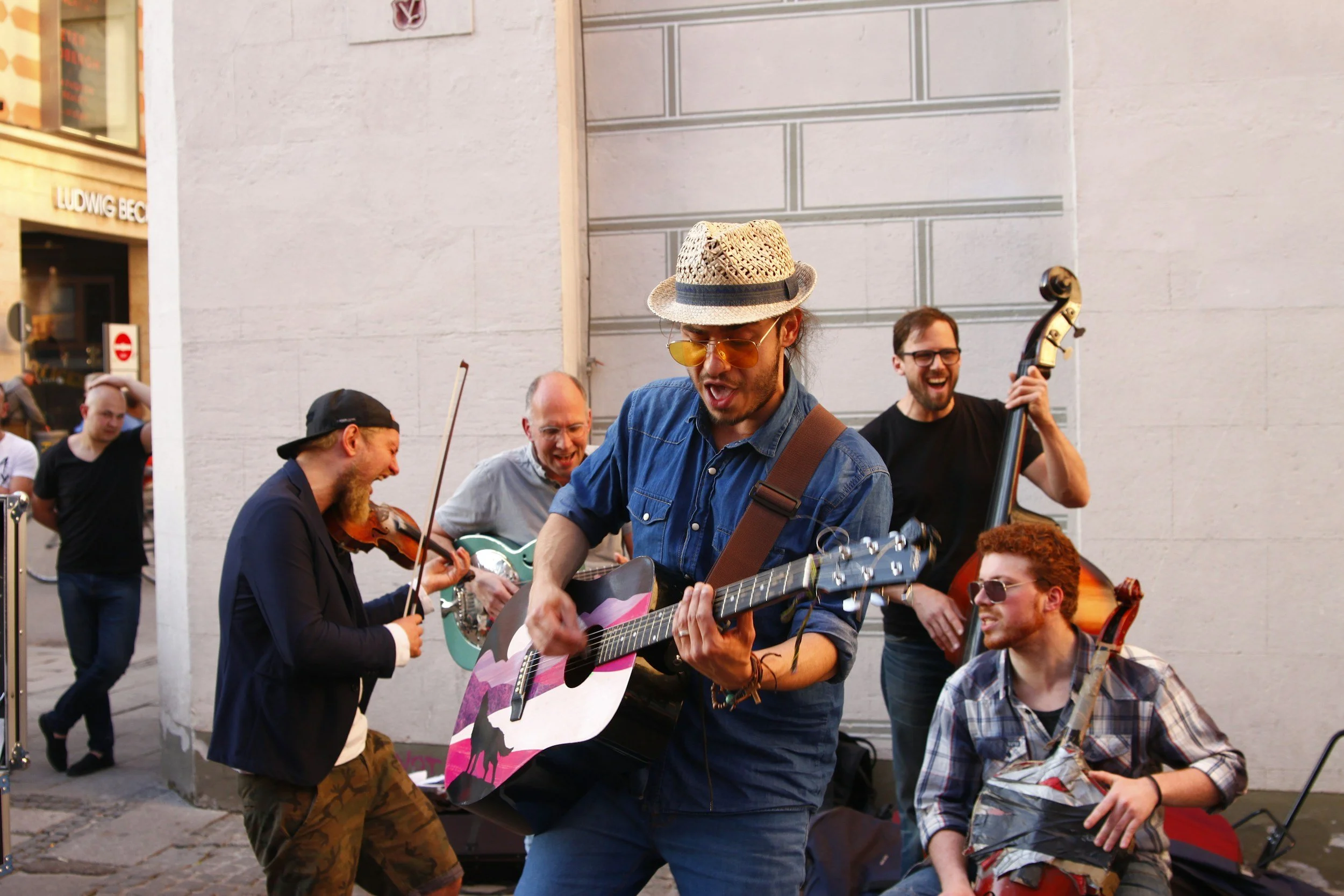
Most providers will ask where it hurts. I start there too — but then I ask you to play.
Watching you at your instrument is one of the most important things I do. Posture, bow arm mechanics, hand position, breath support, how you hold tension during a difficult passage — these aren't incidental details. They're often the difference between an injury that resolves and one that keeps coming back. No amount of hands-on treatment will hold if the underlying demands of playing are still loading your body the same way that got you injured in the first place.
So before we talk about treatment, we talk about your instrument, your practice schedule, your repertoire, and what's actually on the line for you — an upcoming audition, a performance you can't miss, a practice routine you've built over years. That context shapes everything about how we approach your care.
Hands-On Treatment: Manual Therapy
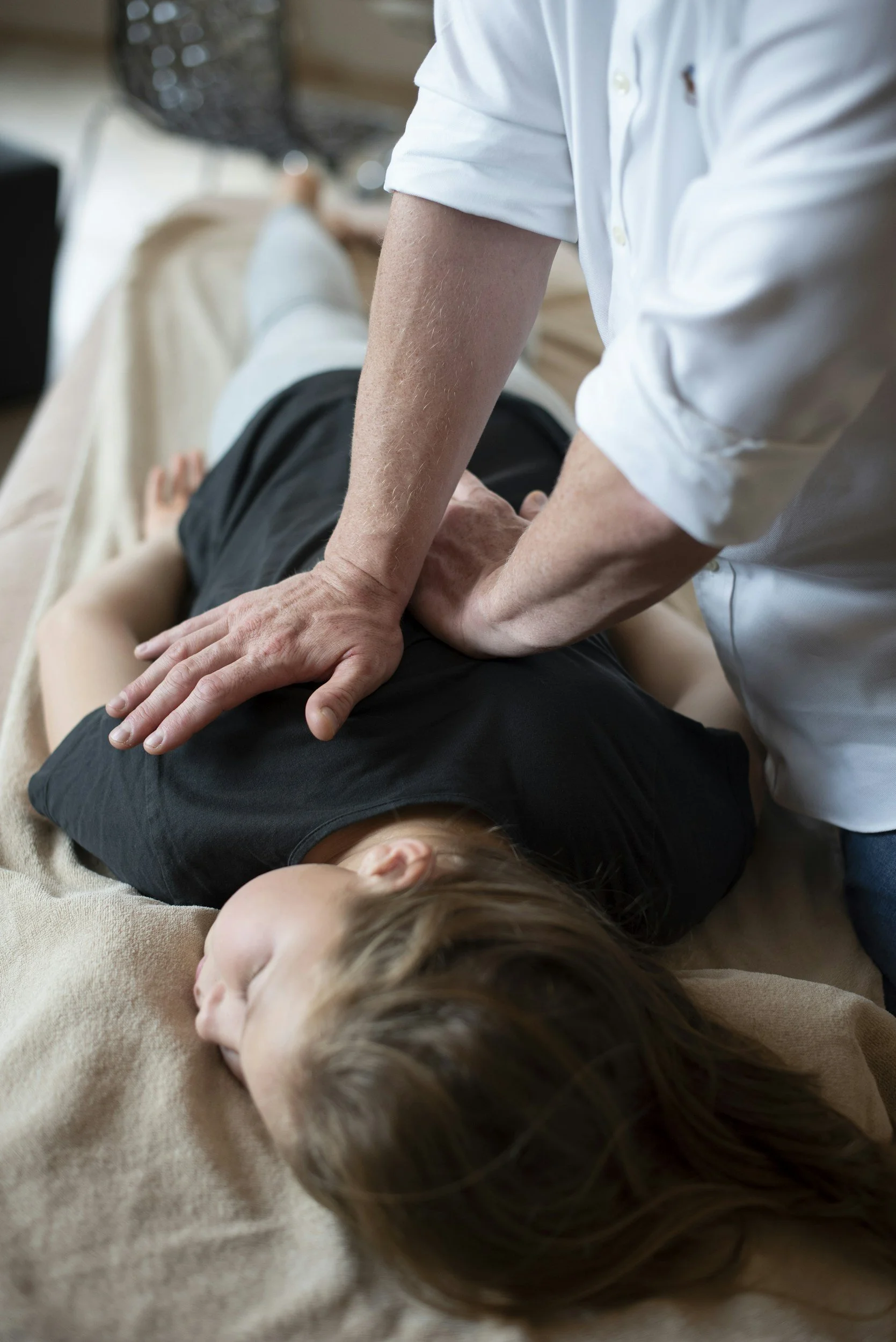
Once I understand what's happening and why, hands-on work is usually where we start.
Manual therapy is not massage. It's a precision-based set of techniques applied to joints, muscles, nerves, and connective tissue — and it requires advanced training beyond a standard PT degree. I hold a certification from the North American Institute of Orthopedic Manual Therapy, one of the most rigorous manual therapy programs in North America, and I'm an ABPTS Board-Certified Orthopedic Clinical Specialist.
Depending on what you need, I may use joint mobilization or manipulation to restore range of motion, soft tissue work to address muscle and fascial restriction, neural mobilization for nerve-related symptoms like numbness or tingling, or manual lymphatic drainage for swelling management. For musicians dealing with chronic forearm, wrist, or hand tendinopathies — the kind that haven't responded to standard treatment — I also use Astym, an evidence-based instrument-assisted technique that stimulates the body's own healing response in stubborn or disorganized tissue.
The important thing to know about manual therapy: it opens a window. What you do in that window — the exercise that follows — is what makes the change last.
Exercise: Built for Your Body and Your Instrument
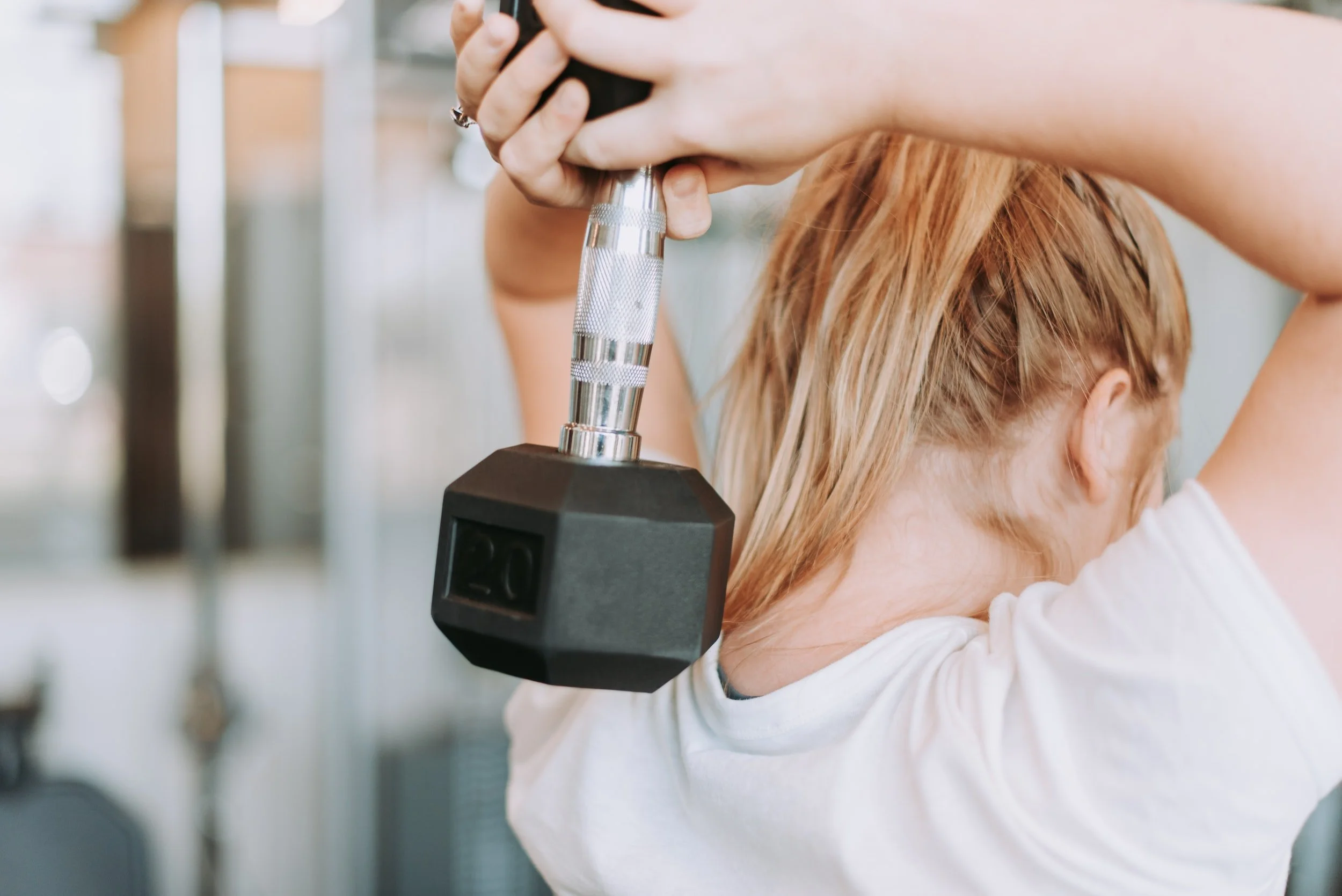
Every exercise program I design is specific to you. Not your diagnosis — you. Your assessment findings, your instrument, your schedule, your body's current capacity, and where you are in recovery right now.
For musicians, this means exercise that addresses the actual demands of playing. If you're a violinist dealing with left shoulder pain, we're not just strengthening your rotator cuff in the abstract — we're building the capacity your shoulder needs to sustain hours of playing, in the positions playing actually requires. If you're a pianist with forearm issues, we're loading the tendons progressively in a way that rebuilds tissue tolerance without blowing up your practice schedule.
Your home exercise program is a core part of your care, not an afterthought. What happens between appointments matters just as much as what happens in the clinic. Programs are updated as you progress — I don't hand you the same sheet for six weeks and hope for the best.
Understanding Your Pain
One of the most useful things that can happen in PT is leaving with a clearer picture of what's actually going on in your body — not just a list of things to avoid.
Pain is more complex than most people realize. It isn't simply a readout of tissue damage — it's produced by the nervous system based on a wide range of inputs, including sleep, stress, beliefs about recovery, and movement history. Two people with identical MRI findings can have completely different pain experiences. Understanding this changes how you relate to pain during recovery, and it's one of the strongest predictors of how well people do.
For musicians specifically, there's often an additional layer: the fear of what the injury means. For your career, your identity, your ability to keep playing. That fear is real and worth addressing directly — not dismissed, but understood. Pain that's driven partly by a sensitized nervous system responds differently than acute tissue injury, and knowing the difference helps us treat it more effectively.
I'll help you understand what your pain is actually telling you, how to distinguish between discomfort that's a normal part of recovery and signals worth heeding, and how to stay as active as possible — on and off your instrument — without setting yourself back.Astym is a specialized form of manual therapy that uses smooth, instrument-assisted tools applied along the skin's surface to interact with the underlying soft tissue. It is one of the most evidence-supported instrument-assisted soft tissue mobilization (IASTM) techniques available, and I am a certified Astym provider.
ourse.
Astym creates a controlled stimulatory effect on the tissue — essentially signaling the body to restart a targeted, organized inflammatory response in the affected area. When followed immediately by specific therapeutic exercise, this restimulated healing process is guided toward producing stronger, better-organized tissue rather than more scar tissue or continued dysfunction.
It is not painful in the way people sometimes fear. Most patients describe the sensation as a firm pressure — and the results, particularly for chronic conditions, can be significant.
Interested in manual therapy or Astym?
If you've been dealing with a stubborn injury, chronic pain, or scar tissue that hasn't responded to other treatments, manual therapy may be exactly what your recovery has been missing. I'd love to assess your situation and talk through whether these approaches are right for you.